
Getting Started with Beginner Golf Lessons Yorkshire
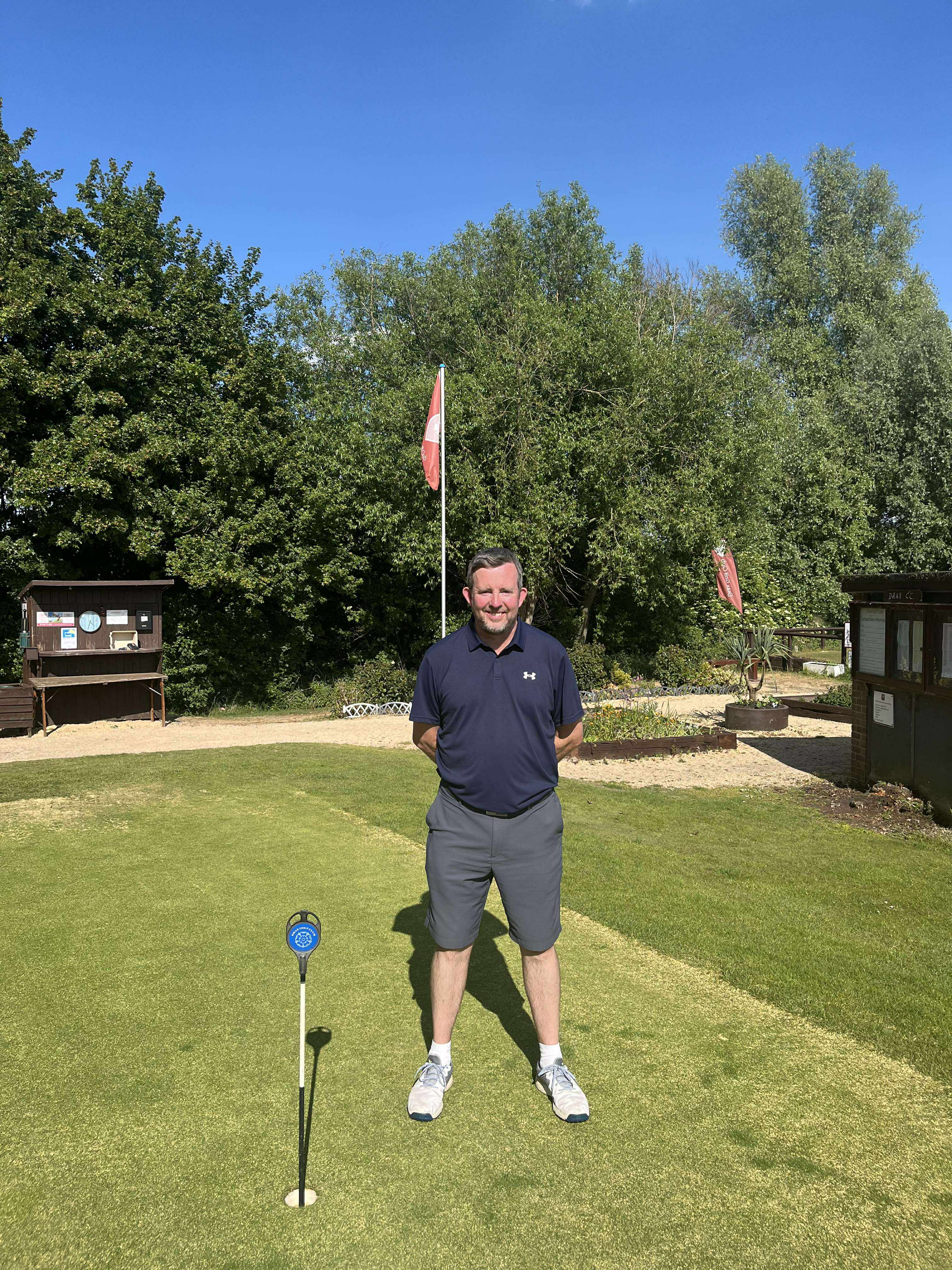
Golf is a sport that combines skill, patience, and a love for the outdoors. For those new to the game, starting can feel overwhelming. However, with the right guidance and approach, anyone can enjoy the challenge and satisfaction golf offers. This guide will walk you through the essentials of getting started with golf, focusing on beginner golf lessons, and provide practical tips to help you improve quickly.
Why Choose Beginner Golf Lessons in Yorkshire?

Starting golf with professional lessons can make a significant difference in your progress. Beginner golf lessons offer tailored instruction that suits your skill level and learning pace. These lessons cover everything from the basics of grip and stance to understanding the rules and etiquette of the game.
Taking lessons locally means you can practice on familiar courses and receive advice relevant to the terrain and conditions you will most often encounter. Additionally, learning in a group or one-on-one setting provides motivation and immediate feedback, which is crucial for improvement.
Some benefits of beginner golf lessons at Drax Golf Club include:
Personalised coaching to address your unique strengths and weaknesses.
Structured learning that builds your skills step-by-step.
Access to local golf courses and practice facilities.
Opportunities to meet other beginners and form practice groups.
Essential Equipment for Beginners
Before hitting the course, it’s important to have the right equipment. Beginners don’t need the most expensive gear, but having the basics will make learning easier and more enjoyable.
Clubs
A beginner set usually includes:
Driver: For long-distance shots from the tee.
Irons (5, 7, 9): For various distances and approaches.
Putter: For use on the green.
Wedges: For short, high shots around the green.
Many golf shops offer starter sets that are affordable and designed for new players.
Balls and Tees
Choose balls designed for beginners, which are often softer and provide more control. Standard wooden or plastic tees are fine for practice.
Clothing and Shoes
Wear comfortable, weather-appropriate clothing. Golf shoes with soft spikes or spikeless soles provide good grip without damaging the course.
Accessories
Golf glove: Helps with grip and prevents blisters.
Golf bag: To carry your clubs and accessories.
Rangefinder or GPS device: Optional but helpful for measuring distances.
Starting with the right equipment will boost your confidence and help you focus on learning the game.
What is the 80/20 Rule in Golf?
The 80/20 rule in golf is a concept that suggests 80% of your improvement comes from 20% of your practice efforts. This means focusing on the most impactful areas of your game rather than trying to improve everything at once.
For beginners, this rule encourages concentrating on:
Mastering the fundamentals: Grip, stance, and swing mechanics.
Short game practice: Putting and chipping, which can save many strokes.
Course management: Learning when to play safe and when to take risks.
By identifying and prioritising these key areas, you can make your practice sessions more effective and see faster progress.
How to Apply the 80/20 Rule
Assess your current skills: Identify your weakest areas.
Set specific goals: For example, improving putting accuracy or driving distance.
Focus practice time: Spend most of your time on these goals.
Track progress: Keep a journal or use an app to monitor improvements.
This approach helps avoid frustration and keeps your practice purposeful.

Tips for Practising Golf Effectively
Practice is essential to becoming a better golfer, but how you practice matters just as much as how often. Here are some tips to make your practice sessions productive:
Warm up properly: Stretch and do some light swings to avoid injury.
Use drills: Focus on specific skills like putting or driving.
Practice with purpose: Set clear objectives for each session.
Mix practice types: Combine range practice, short game, and playing on the course.
Get feedback: Use video analysis or ask a coach for tips.
Stay patient: Improvement takes time, so celebrate small wins.
Regular, focused practice will build your confidence and skill level steadily.
Understanding Golf Etiquette and Rules
Golf is a game of respect and tradition. Learning the basic etiquette and rules will help you enjoy the game and fit in with other players.
Key Etiquette Points
Be punctual: Arrive early for your tee time.
Respect other players: Stay quiet and still when others are hitting.
Repair divots and ball marks: Keep the course in good condition.
Keep pace: Play at a reasonable speed to avoid holding up others.
Follow dress codes: Many clubs have specific clothing requirements.
Basic Rules to Know
Tee off in order: Usually, the player with the lowest score tees off first.
Count strokes: Each swing counts as one stroke.
Out of bounds: If your ball goes out of bounds, you usually take a penalty stroke.
Hazards: Water and sand traps have special rules for play.
Understanding these basics will make your rounds more enjoyable and less stressful.
Next Steps to Improve Your Game
Once you have the basics down, consider these next steps to continue your golf journey:
Take advanced lessons: Focus on specific skills like driving, putting or short-game.
Play regularly: Experience on the course is invaluable.
Watch professional golf: Learn by observing techniques and strategies.
Use technology: Apps and devices can help track your stats and progress.
Golf is a lifelong sport with endless opportunities to learn and improve. Starting with beginner golf lessons is a great way to build a solid foundation and enjoy the game for years to come.
Comments